Cypress Hills

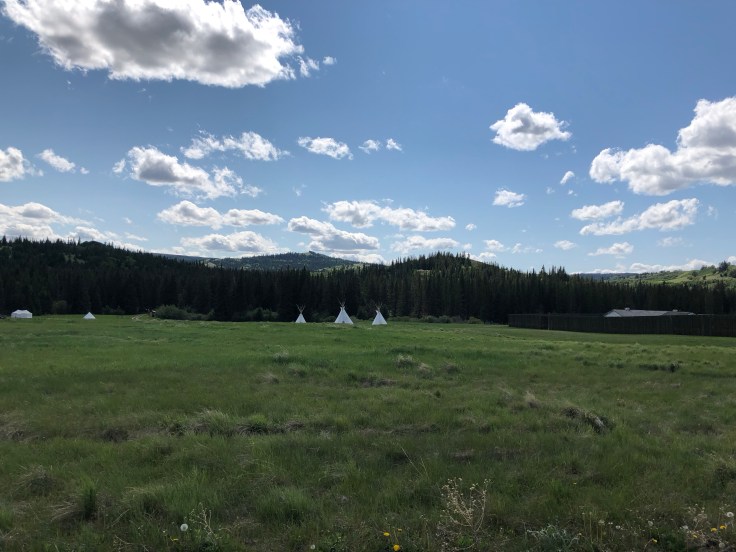
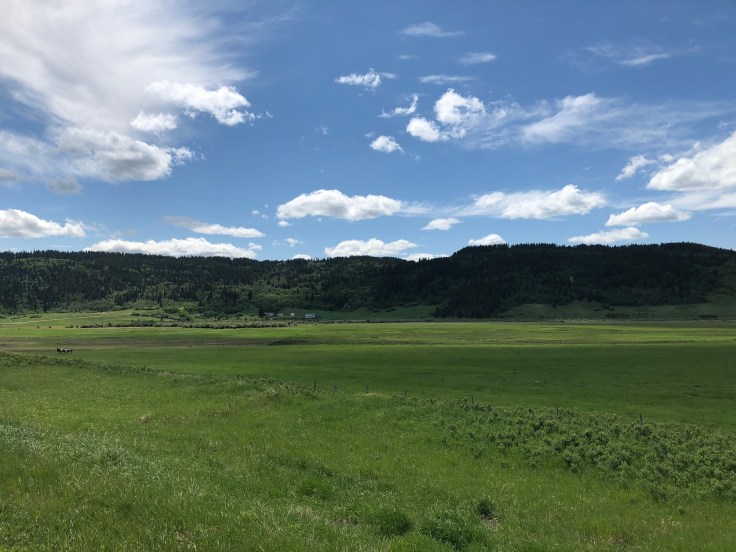
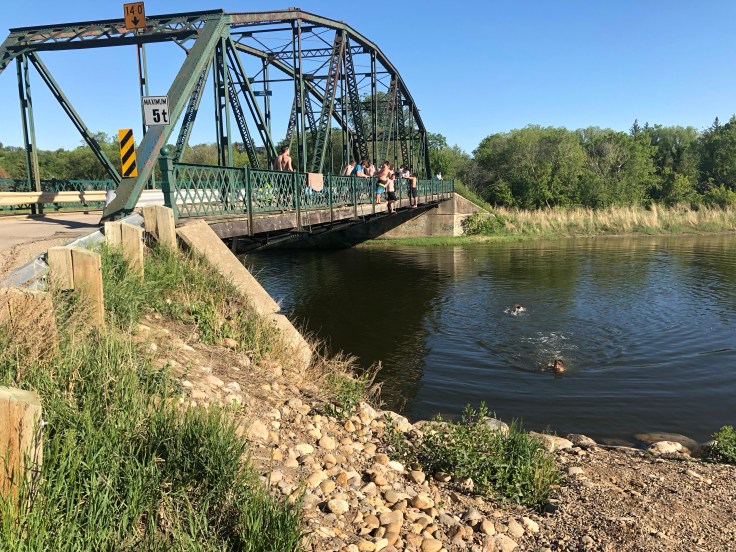
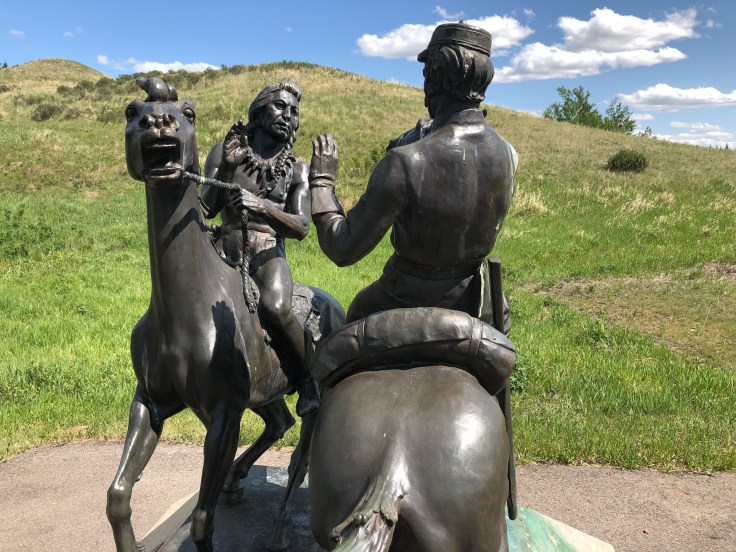
The Cypress Hills Interprovincial Park, which straddles western Saskatchewan and eastern Alberta, is a verdant area rich in animal and plant life, including large groves of pine trees and a healthy population of mountain lions. It is also the site of an Indian massacre that occurred in 1873 and, subsequently, the establishment of an outpost for the Mounties — Fort Walsh — to bring some order to what was a rugged and lawless area. While walking near the reconstructed fort I met one of the Park’s workers, Dave Trimmer. Came to find out he was born in the same hospital — in Danbury, CT — as my younger son, Brian. How’s that for “small world “!?!
Like a magnet…

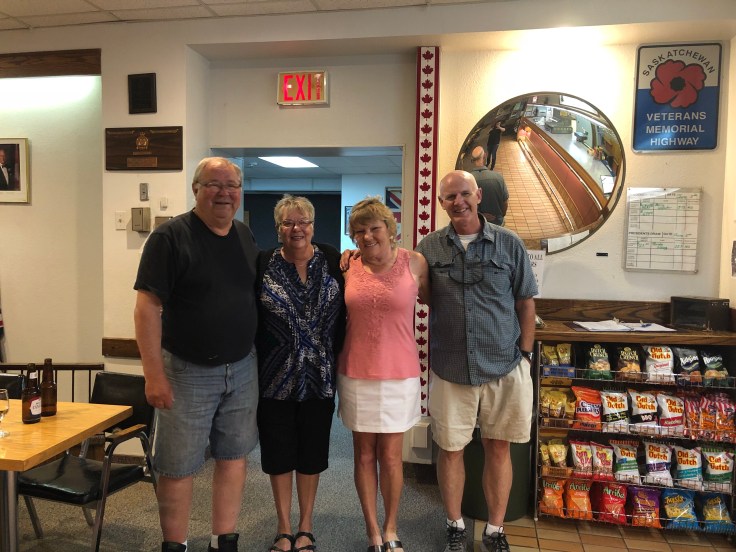
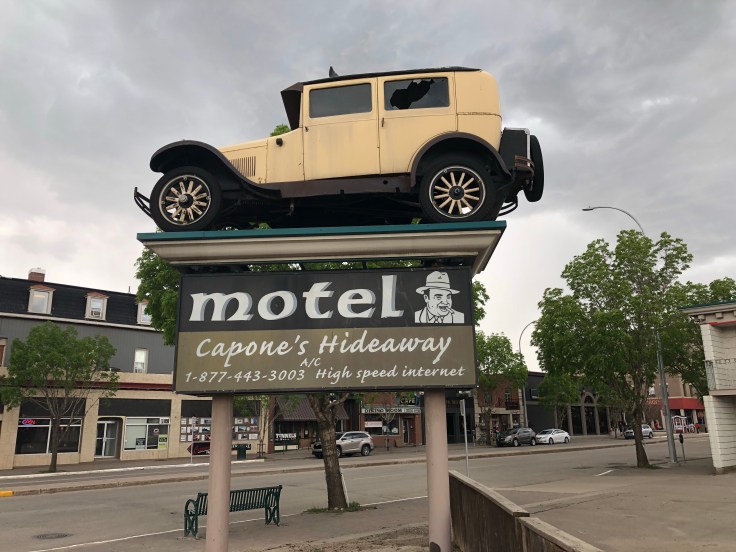
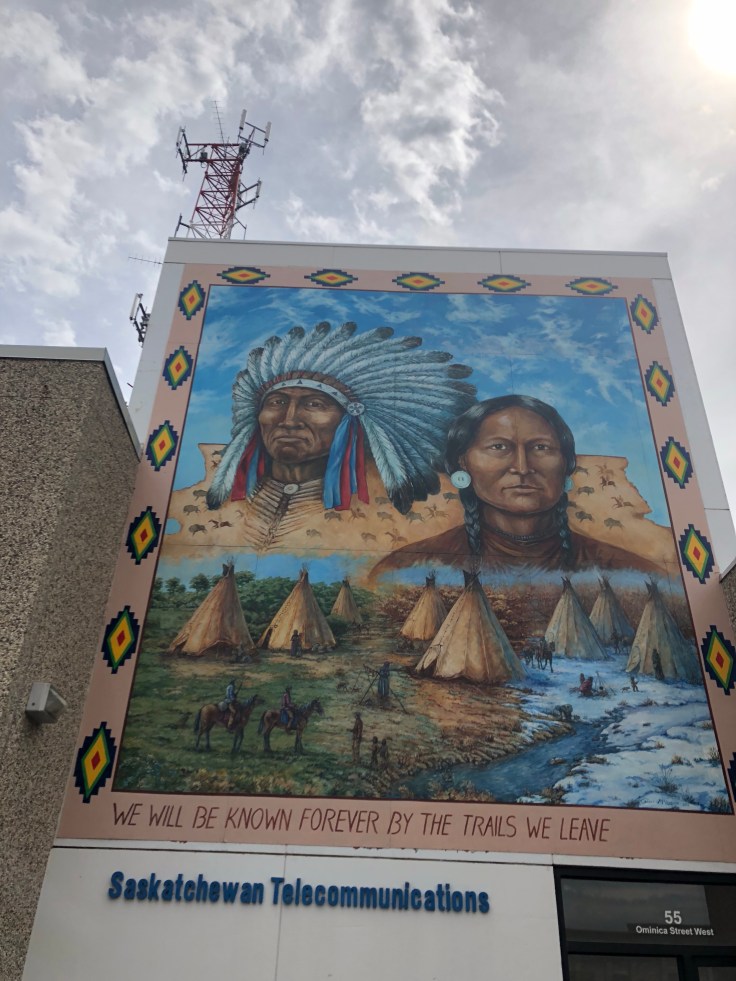
… I was drawn to the town of Moose Jaw in Canada’s Saskatchewan province. How could anyone not be?!? Apparently the name comes from the First Nations people who called the nearby waterway “moosichappishannissippi” (easy for me to say!), which means “the creek that bends like a moose’s jaw.” Anyway, Moose Jaw, which bills itself as The Friendly City, is a charming big-little town of about 35,000, with a colorful past that includes it “possibly” being the center of Al Capone’s Canadian bootlegging operations during prohibition. Whether true or not, there’s no denying its claim to being friendly, and I could not have found a better place to celebrate my 68th birthday!
Ups and downs…

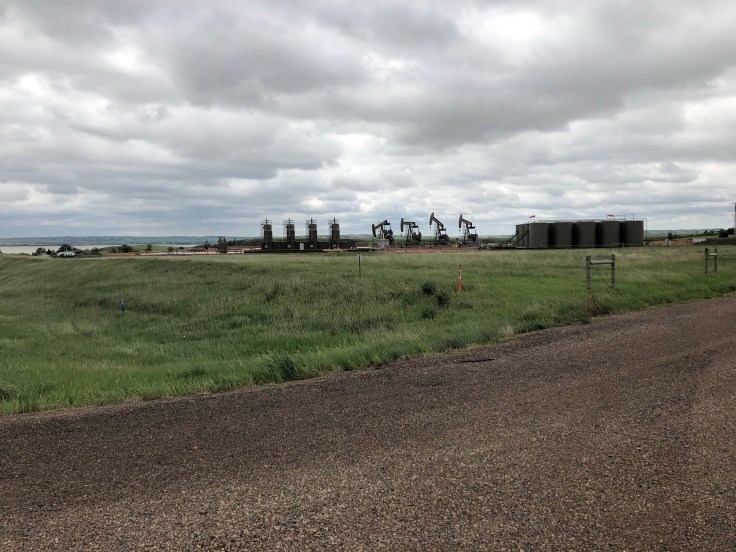
Not sure if I would recommend Williston, ND, for a stopover town, but figured I’m here anyway before heading into Canada, so might as well make the most of it. The highlight was a 20-mile drive to Lund’s Landing on Lake Sacakawea for a piece of Juneberry pie with a scoop of vanilla ice cream. It was very good. My stop at the Horseshoe Bar for a couple of beers on my way back includes some X-rated material (language only), so will not go into further detail. BTW, what HoF basketball player grew up in Williston and graduated from Williston High. First correct non-google answer wins a beer, next time we meet. Scouts honor re Google.

TR, Part II

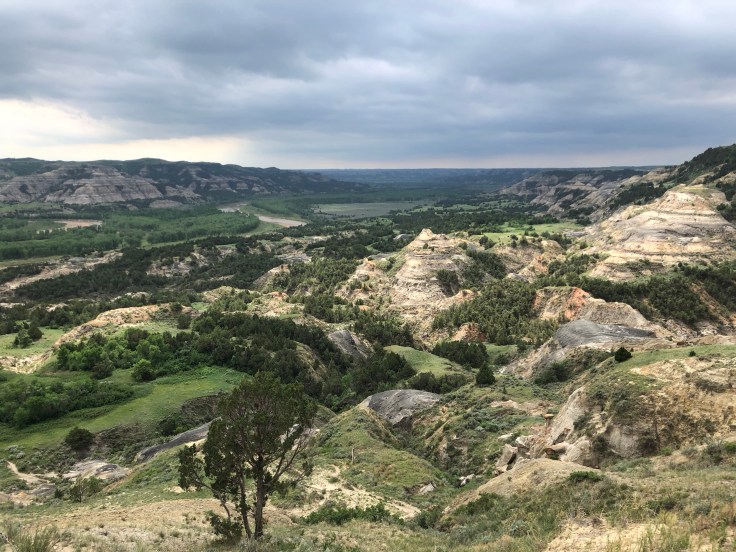
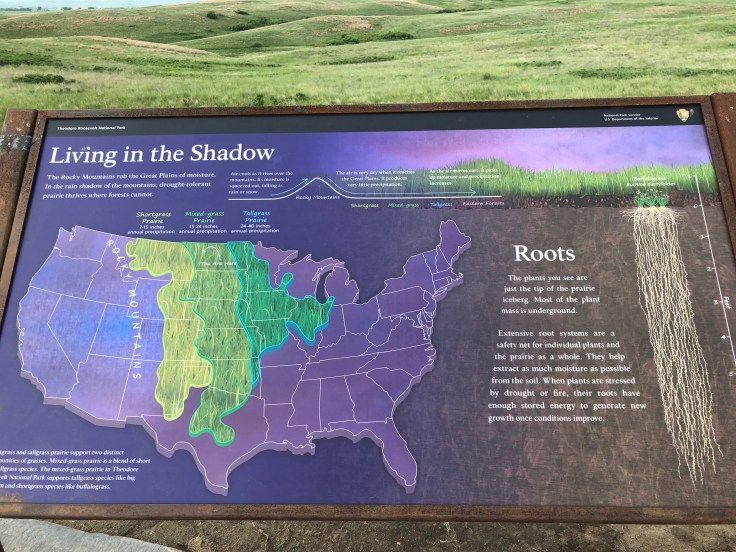
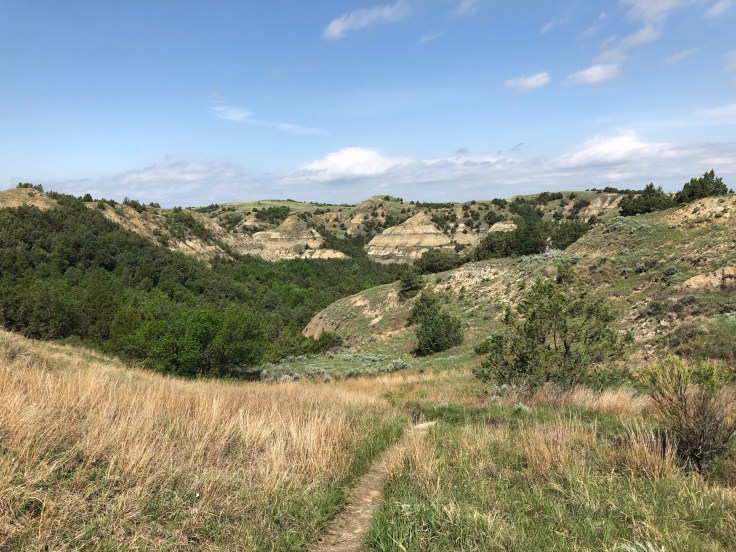
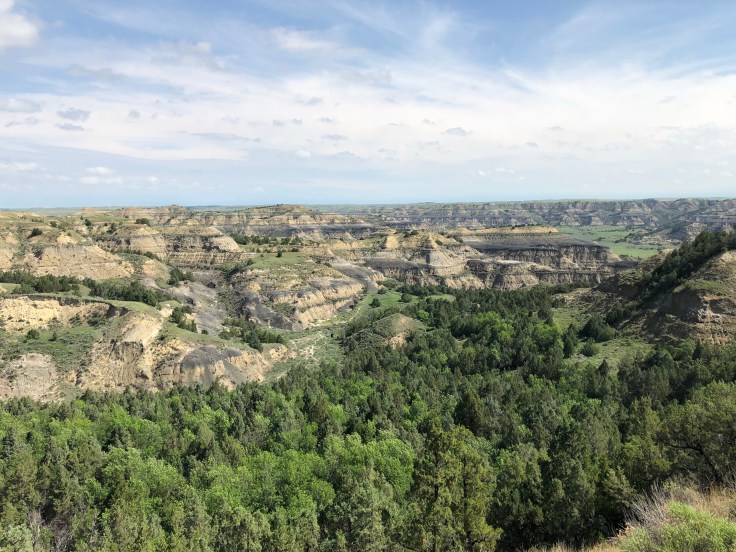
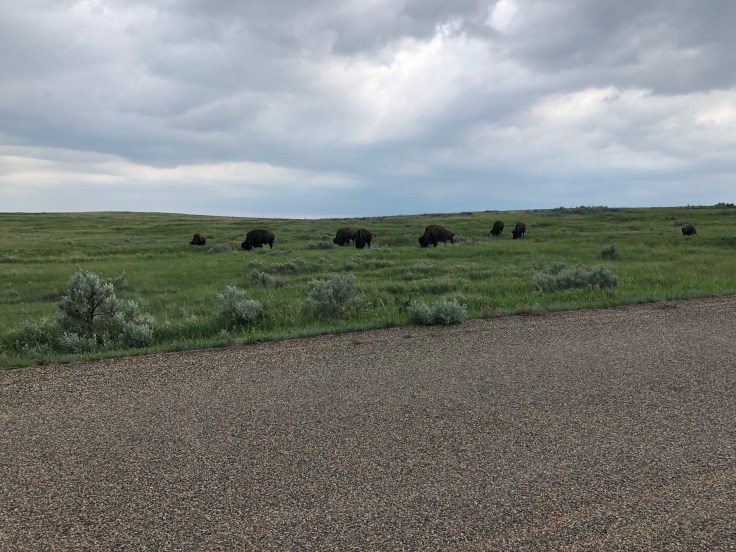
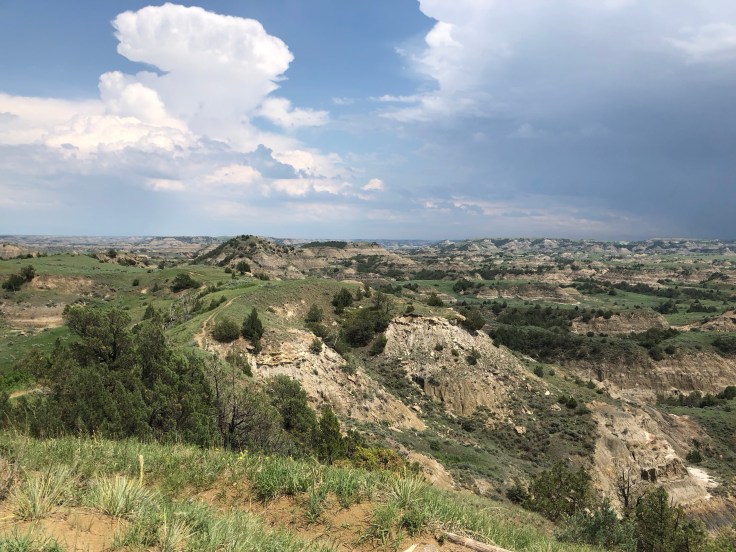
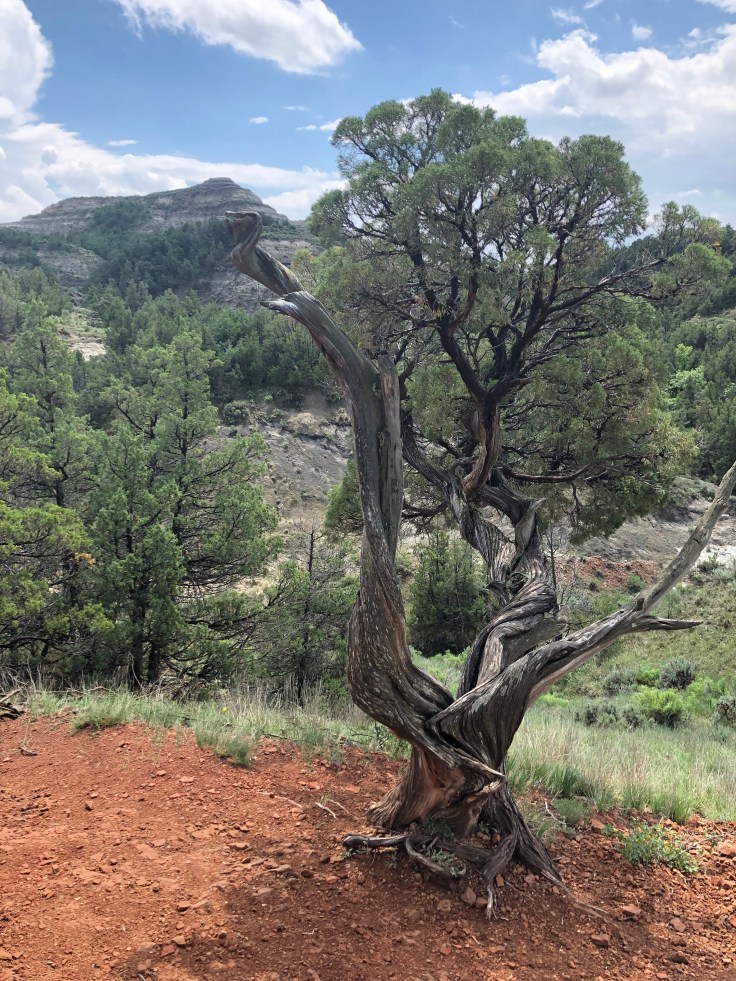
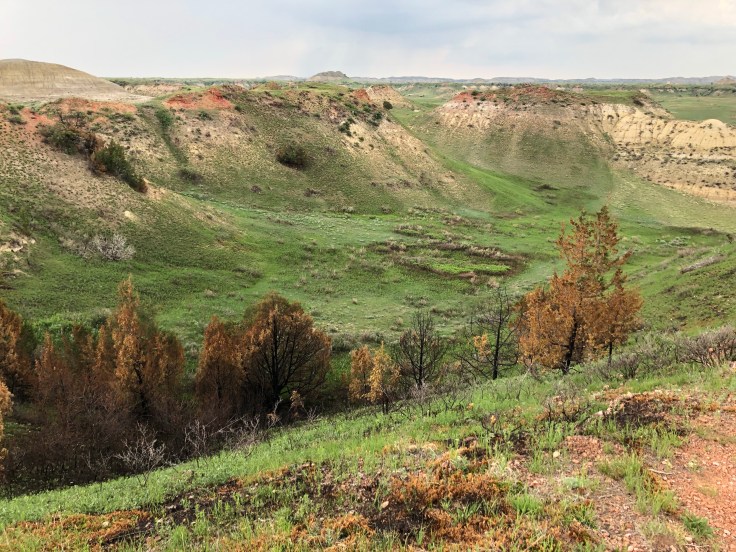
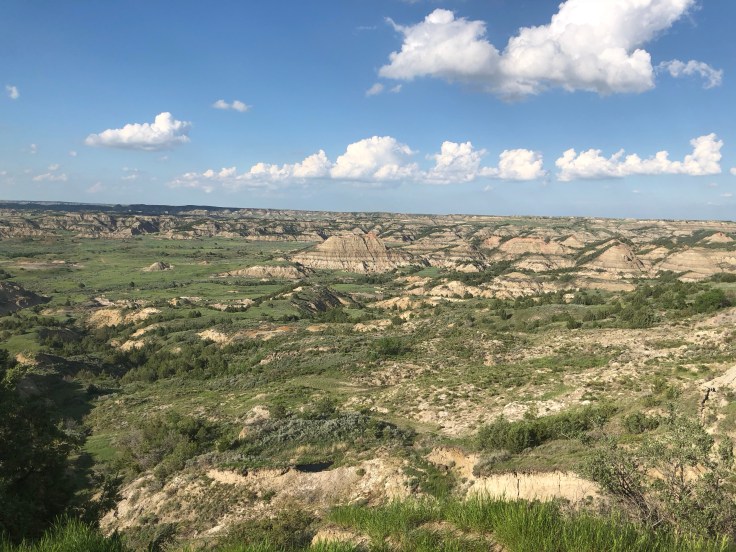
Teddy Roosevelt National Park is actually divided into two parts — the South Unit and the North Unit. Both are incredibly beautiful; the South is larger with more varied terrain, while the North Unit contains more animals, mountain lions and elk among them. And as I was checking into the Visitor Center at the North Unit yesterday morning, bison were casually walking around not more than 30 feet from the building. The weather has been a little dicey, with tornado warnings included, but so far none have touched down. The following photos were taken yesterday at the North Unit.

Thank you, Teddy

Theodore Roosevelt’s first wife and mother died on the same day in the same house in (I think) 1883. Devastated by that loss and trying to rebuild his life, he ventured west, to western North Dakota, and it was there that he was able to find some solace and regain a sense of purpose. Our national parks that exist today owe their existence, in no small part, to his foresight and conviction that our lands should be treasured and preserved. The photos that follow are from the nat’l park that bears his name.

Deadwood to Spearfish

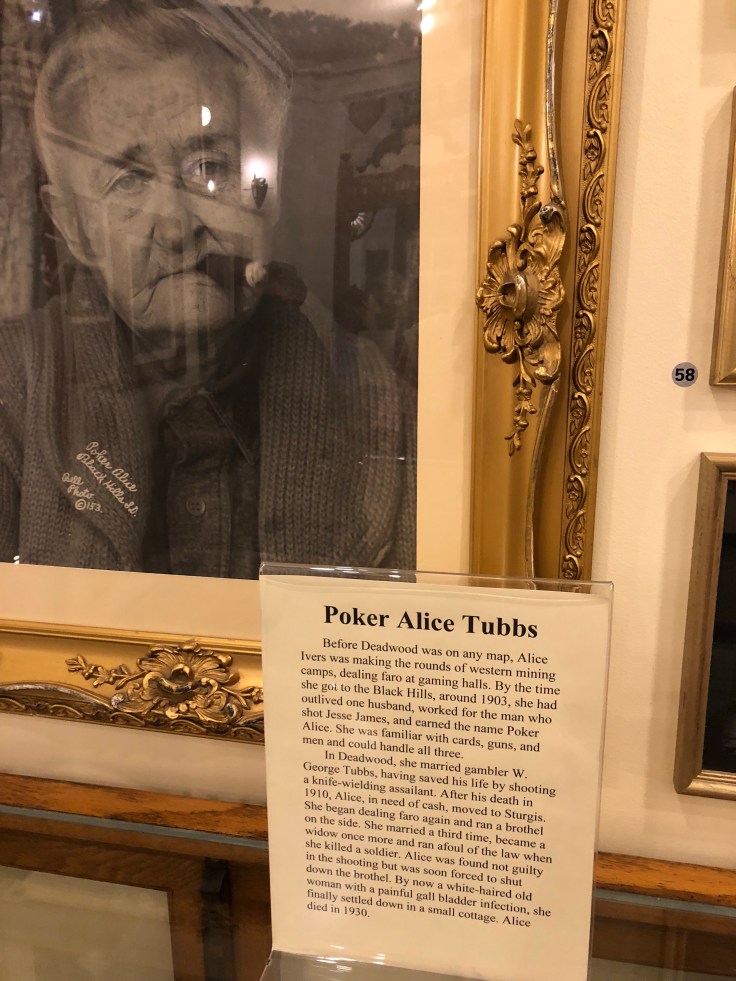
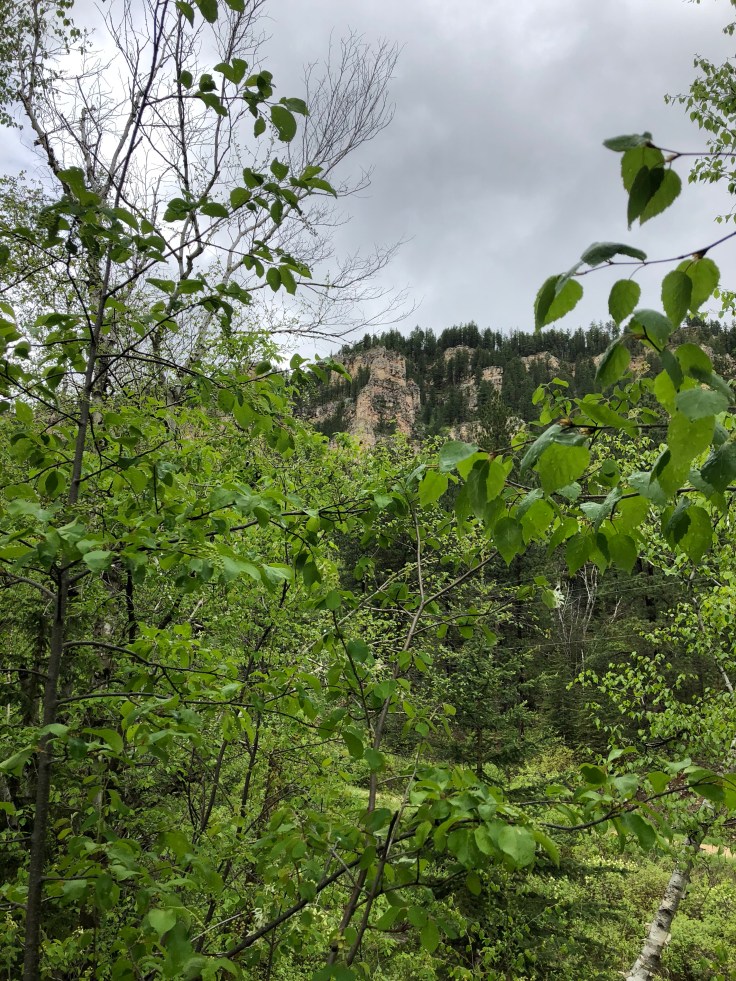
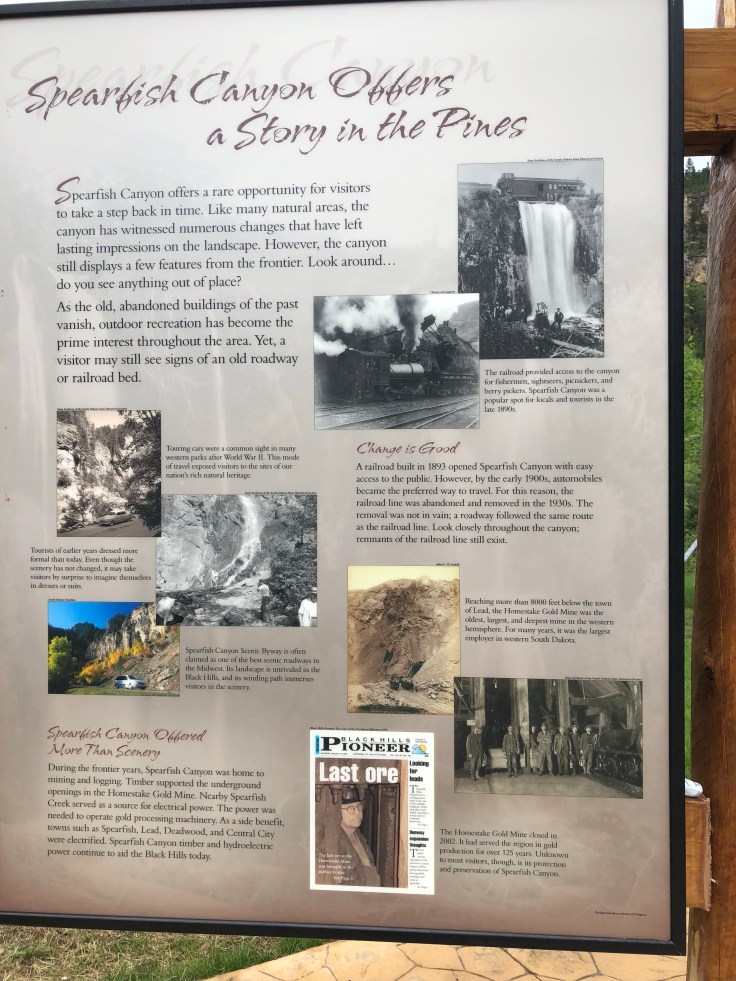
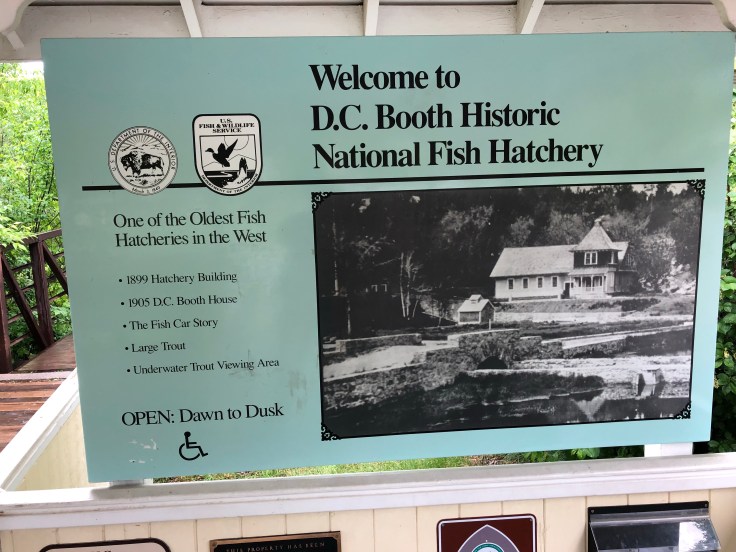
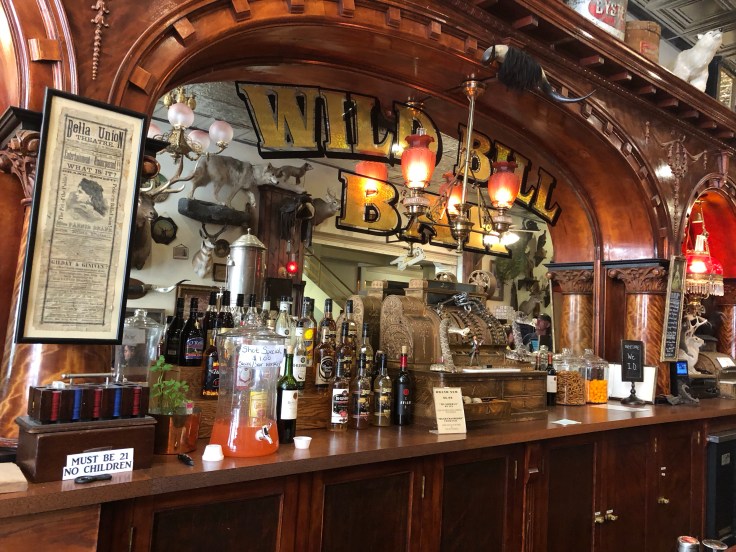
Deadwood got its name from the dead timber on its surrounding hills. Over the years, dead and live timber alike have contributed to several disastrous fires, one that destroyed the town in the late 1800s. One of the town’s lesser known, but more colorful, figures was Poker Alice Tubbs, of whom it was said, “She was familiar with cards, guns, and men and could handle all of them.” I think my mom would have liked her. To get to Spearfish from Deadwood you drive thru the Spearfish Canyon on 14A. It’s breathtaking, and trout can be seen swirling around in pools that flow through the creek of the same name.

The Black Hills are…

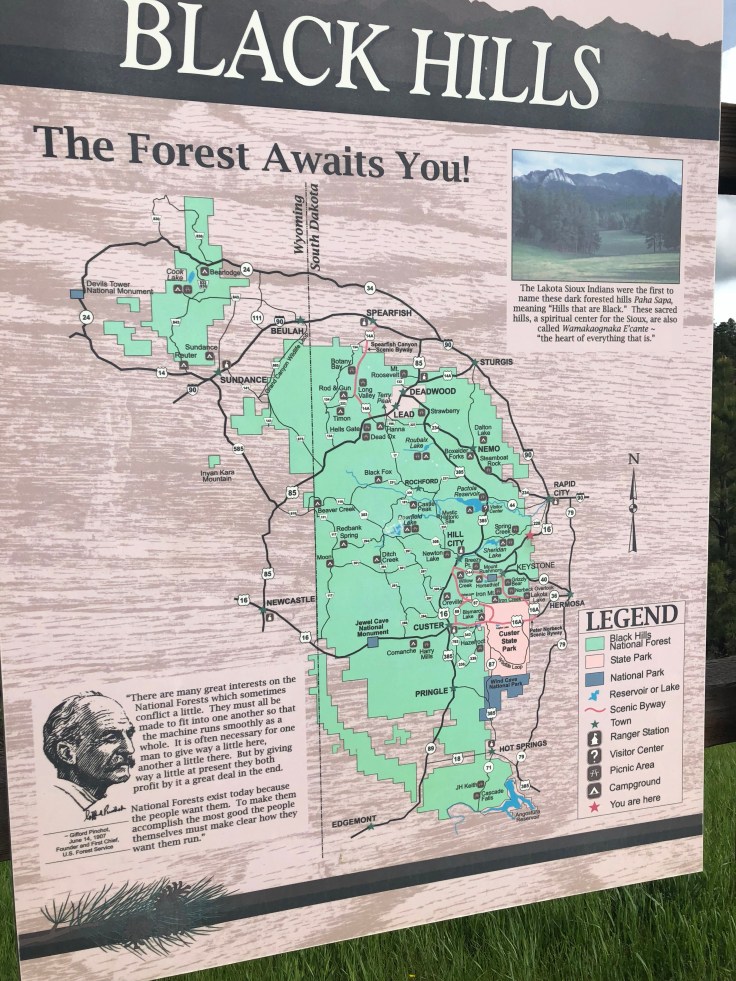
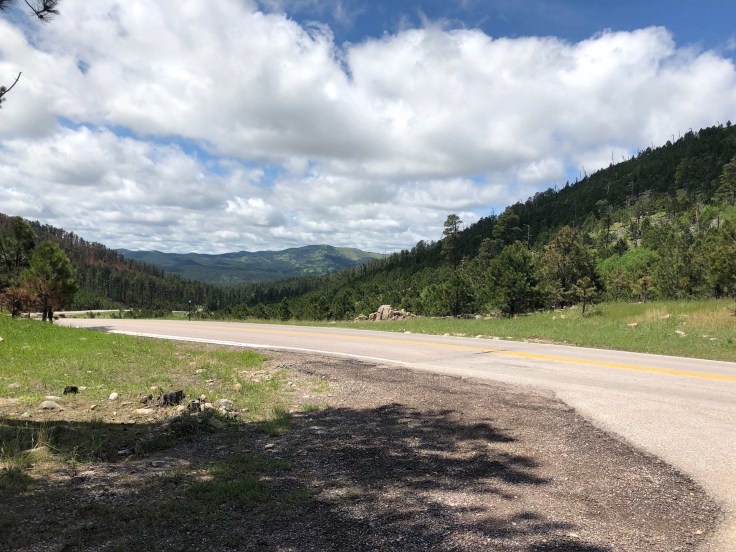
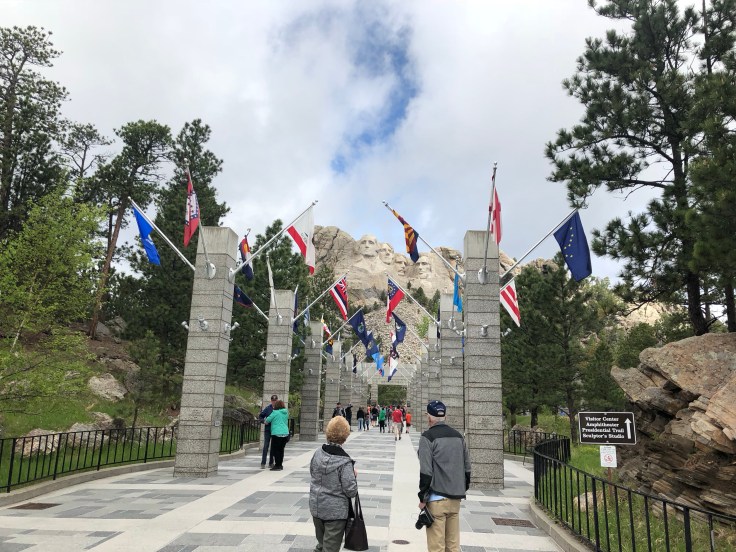
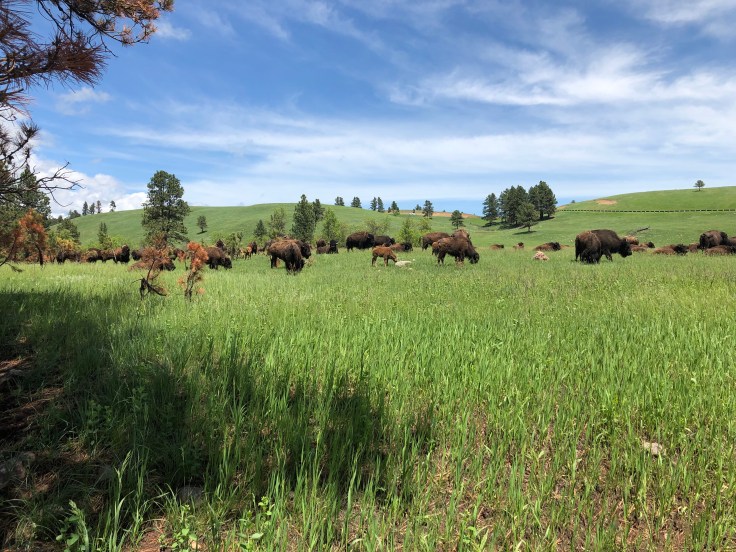
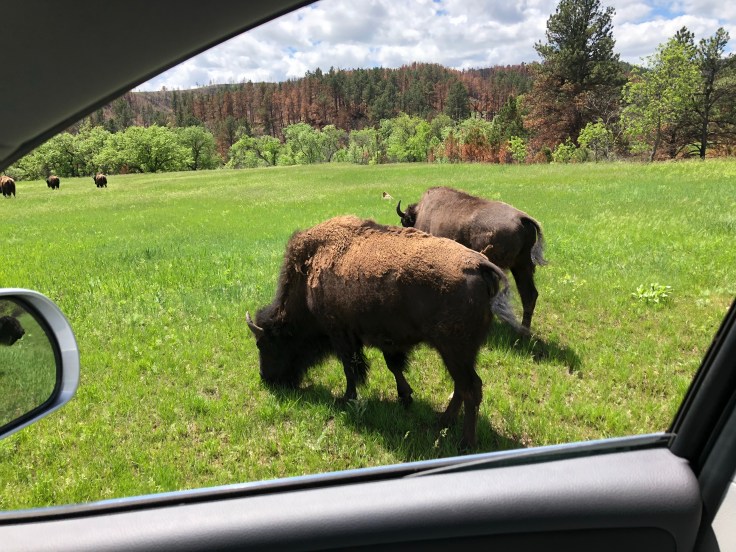
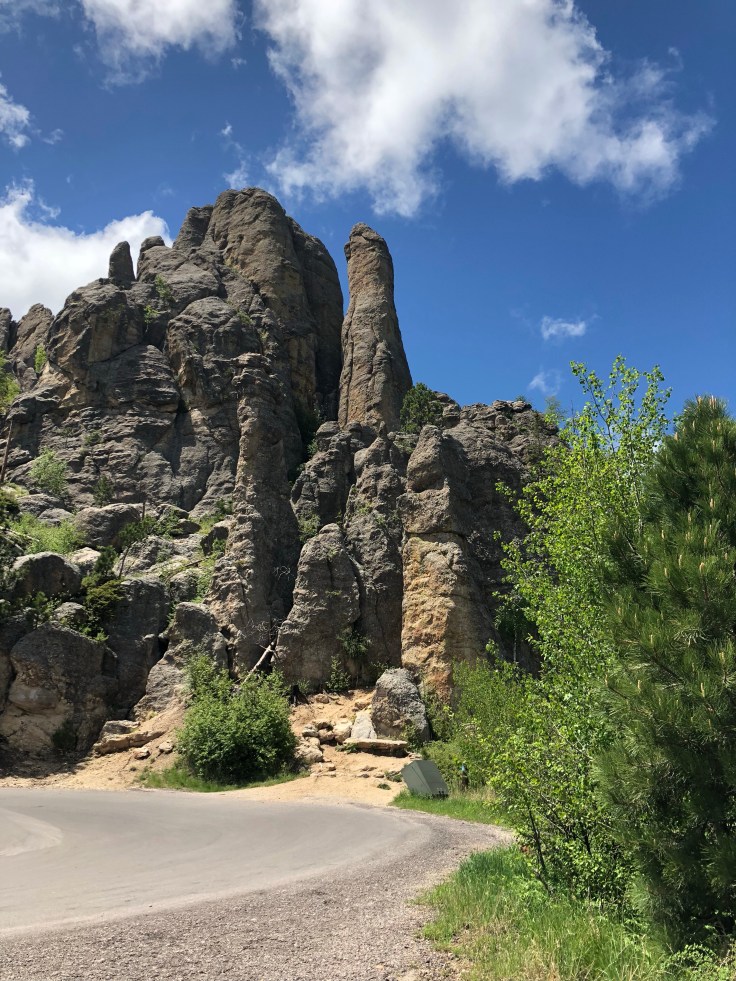
…really green, deriving their name from the densely packed trees that cover much of the landscape. Mount Rushmore, Custer State Park and the Crazy Horse sculpture (not even close to being finished) are all within its boundaries, as is Deadwood, where Wild Bill Hickock met his demise. Herds of wild buffalo roam the Custer SP and at one point they decided to cross the road, weaving among cars, seemingly without a care in the world. One lingered for about a minute behind my car, examining either my license plate or the box of Cheerios I had stashed in the back.

Minnesota to SD

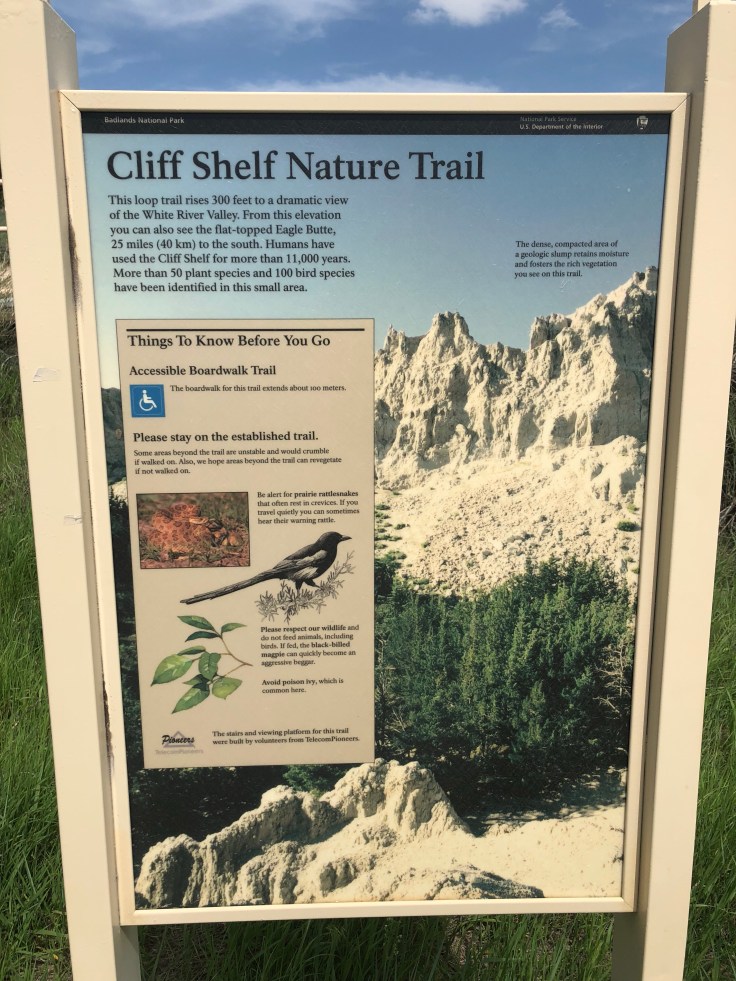
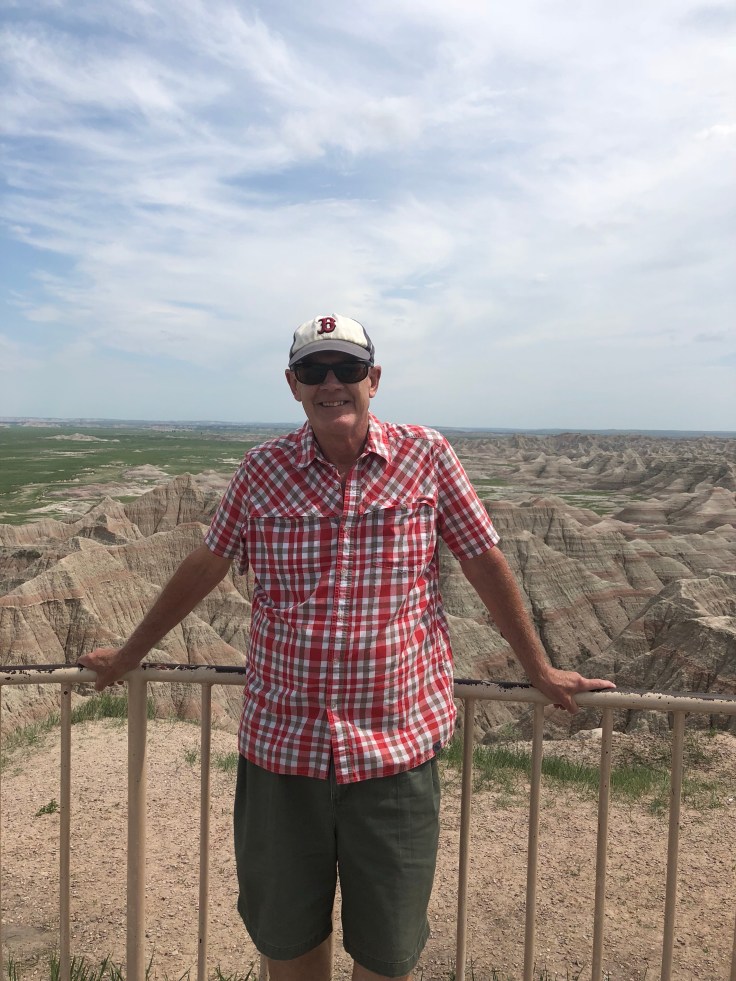
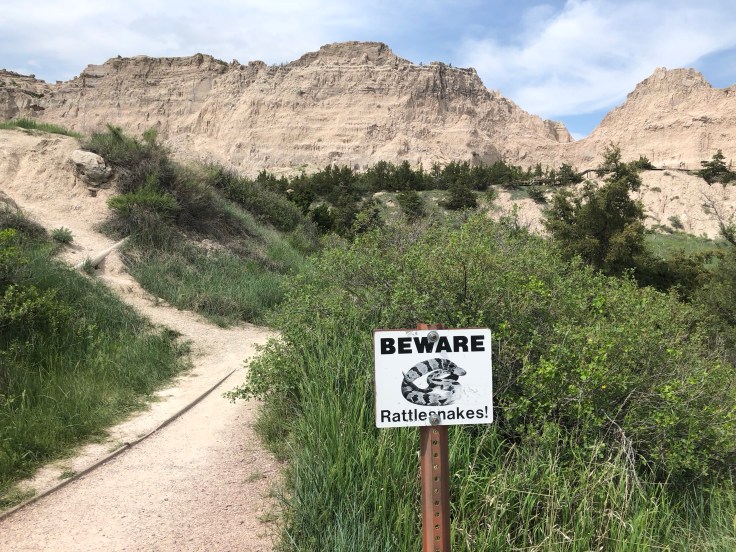
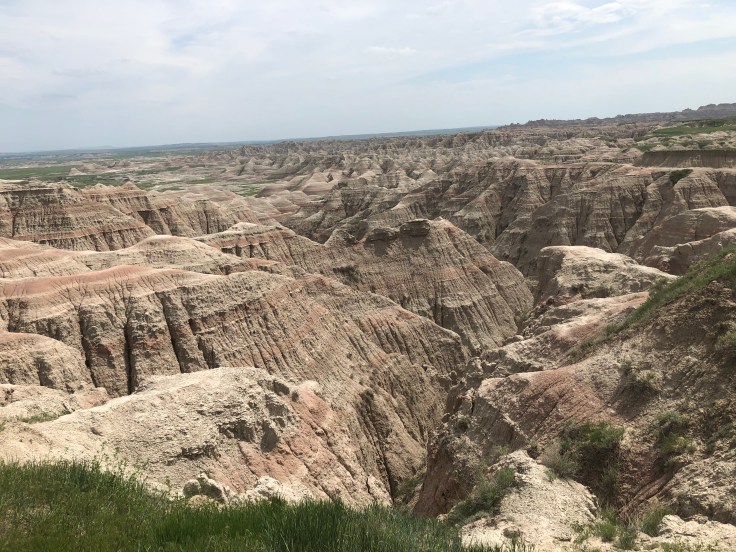
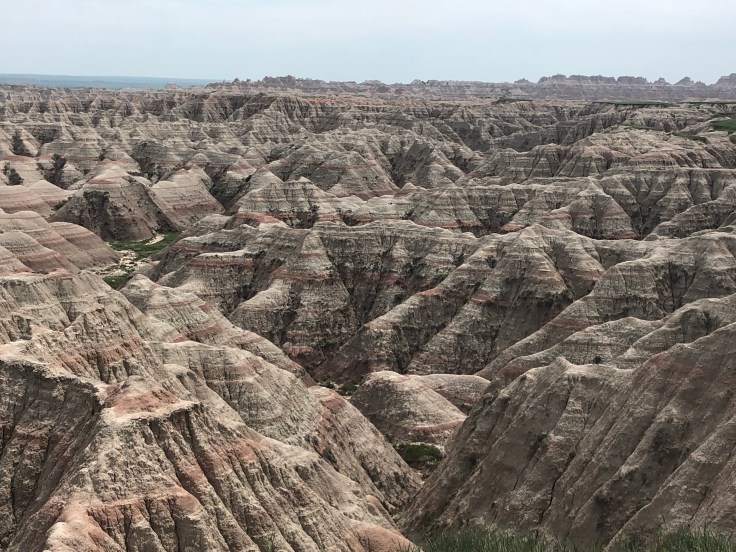
I knew I had entered a different state when the speed limit increased from 70-80 mph. Welcome to South Dakota. The temperature today hovered around 90, unusually warm for this time of year, but not as warm as yesterday’s 97+. Passing over the Missouri R. there’s a dramatic change — in elevation and in the landscape (rolling green, grassy hills). And then there are the Badlands; in a word, spectacular, but pictures tell the story far better than words ever could.

Wisconsin bound

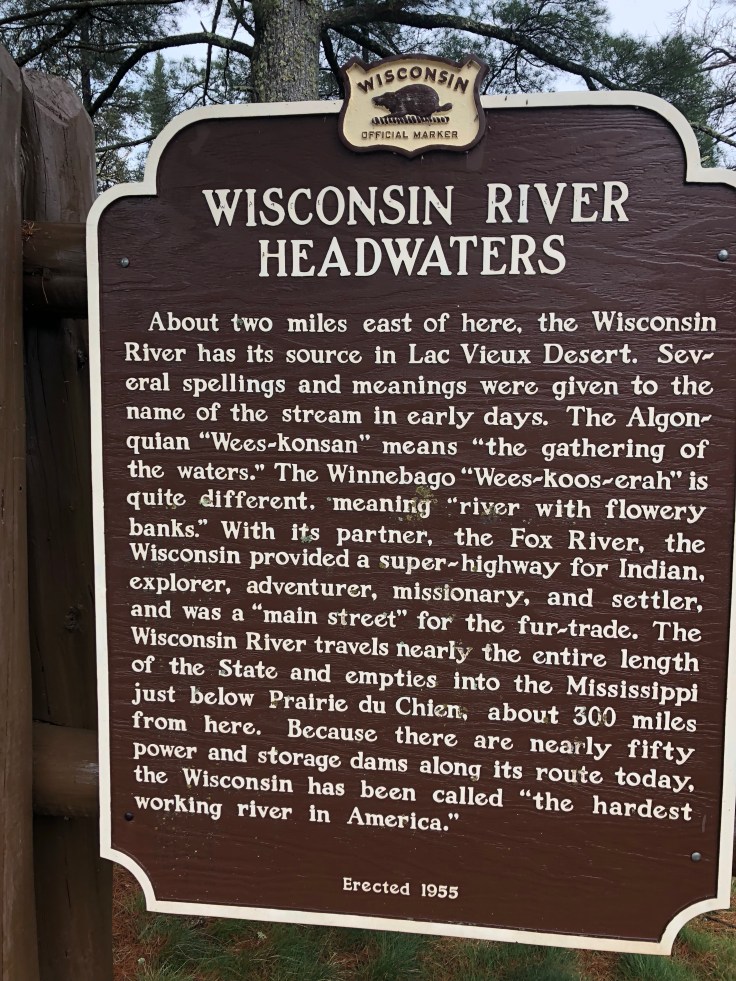
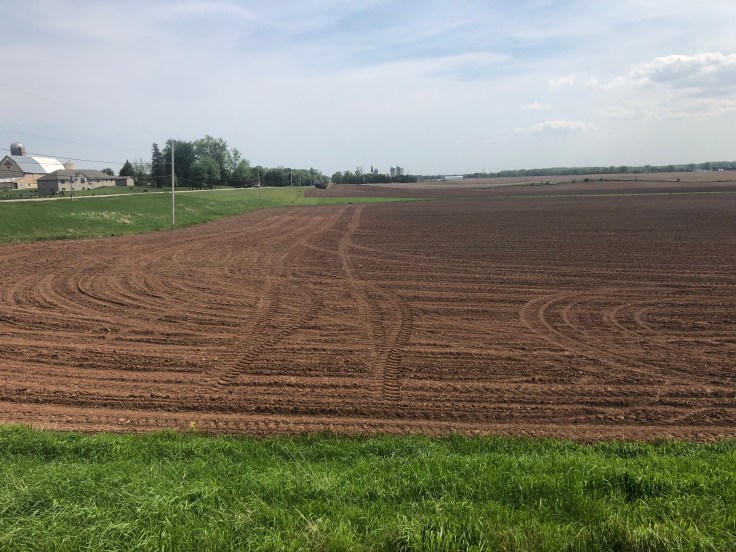
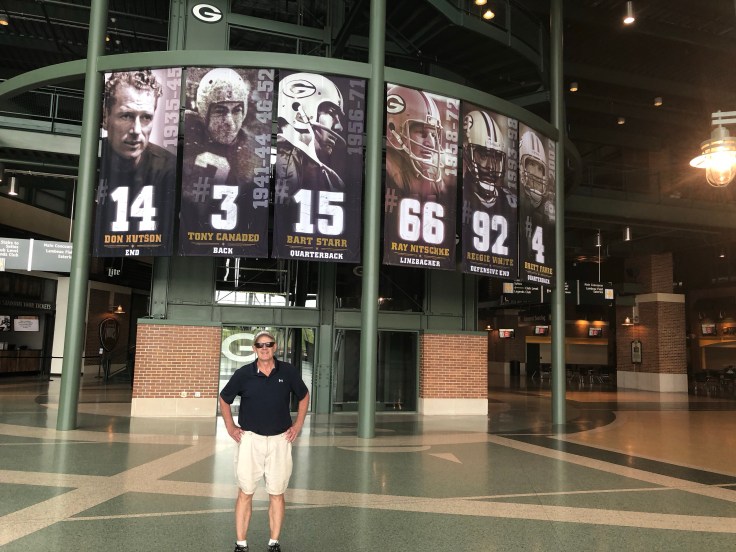
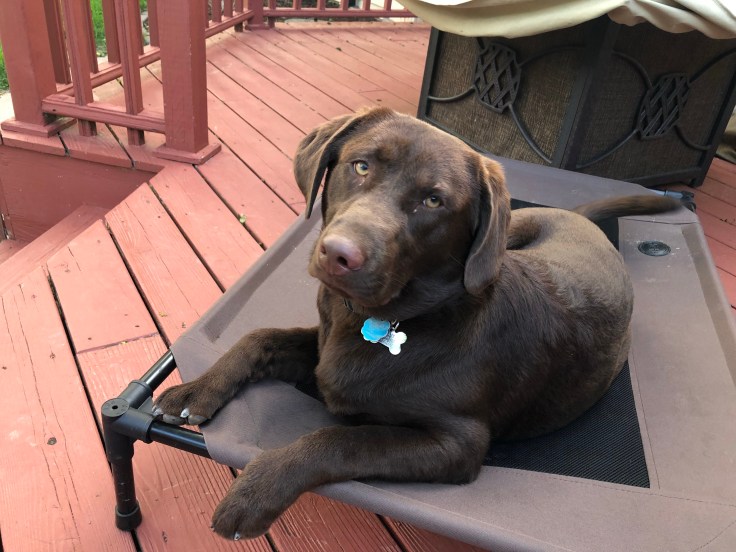
One of the biggest things you notice when driving into Wisconsin from the UP is the farms, dairy farms, lots of ’em. And water water everywhere — in lakes, rivers, ponds. Played golf today with Rob, a friend I’m visiting with in Appleton, and then stopped off at Lambeau Field, home of the Packers. On the way back we picked up Elliott, Rob and Patti’s dog, at Tail Waggers. He told us he had a great, but exhausting, day with his canine buds.

The “Porkies”

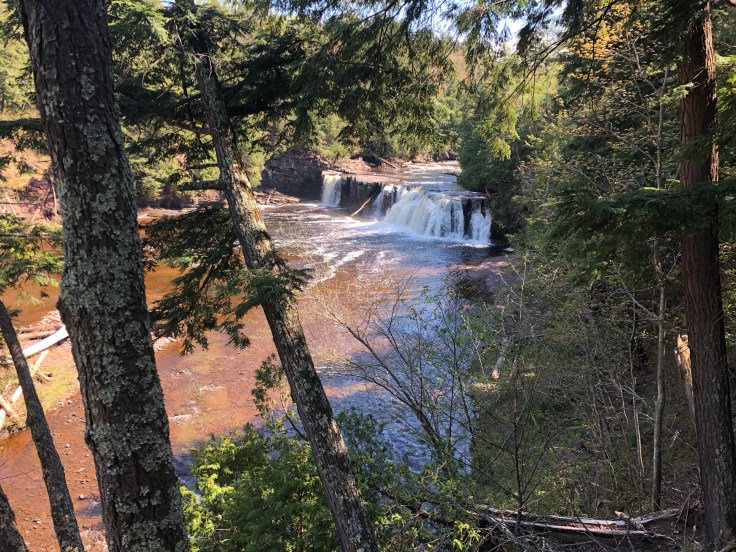
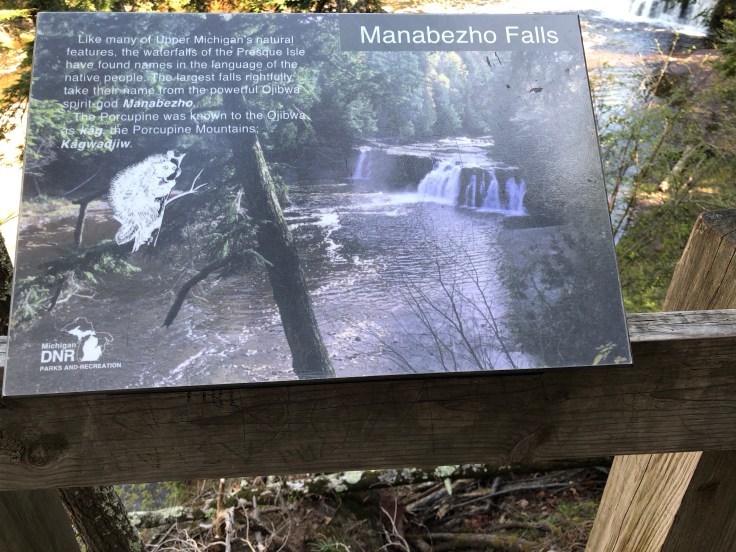
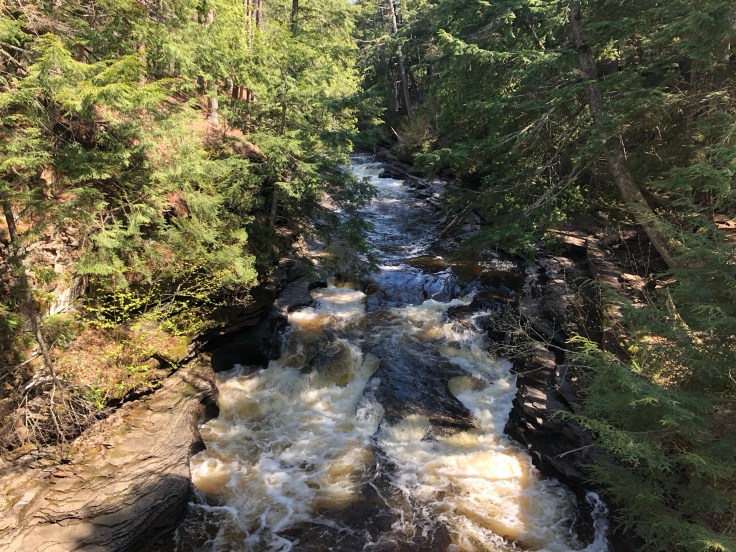
The Porcupine Mountains, tucked into the northwestern corner of the UP, are one of the largest state parks east of the Mississippi R. They have numerous waterfalls, camp sites and hiking trails and look out over Lake Superior. The area prospered for a while from mining and timber in the 1900s; now, not so much. The region is now focusing on tourism and outdoor recreation and seems to doing reasonably well.

Blog at WordPress.com.

Up ↑